Showing posts with label Birdwatching Information. Show all posts

24 March, 2021

Spring Arrivals

Spring Arrivals  


Red Winged Blackbird "Redwing" amongst Bald Cypresses in spring


Spring in the Carolinas comes well before the equinox. Some native or cultivated plants such as Jessermine, Redbud, and Japanese Cherries bloom as early as February. Honeybees, Carpenter Bees, Paper Wasps, and Sulphur Butterflies come out when every it is warm (i.e., about 10-15 Celsius or 50-60F) with ample sunlight. Finally, many birds begin singing, courtship, and even nesting in what would be considered midwinter. Spring Migration in our region can begin as early as Mid-February and typically ends in late May when most of the breeding birds are onsite and transients have come and gone. This document is a timetable and overview of how spring migration works in the Cape Fear Region and Southeastern North Carolina. The timings of arrivals and departures, as well as what species can be seen will differ slightly in South Carolina, Appalachia, the Northeast of Carolina (like the Outer Banks), etc. 


Observations of Spring 


Our meadow garden in late April 2016, Blue Flag Iris on left, Siberian Iris on Right


For nearly a year since the pandemic began, I walked around Greenfield Lake in Wilmington NC two or three times of week to observe the wildlife, plant life, and environment for personal studies, and the collect data for a project at the university. I saw this park during the late winter (March 18th, 2020), with the trees bare, violets blooming in the woodlands, and azaleas starting to blossom, for an Azalea Festival that did not occur. From there, I saw the park and lakeshore through the spring, the Carolinian Summer, our long autumn, and through the dead of winter. Because of my life and my tendency to visit different parks, woodlands, and the seacoast, I have never gotten a chance to observe an area for an entire year with regular visits (excluding my own garden of course). At the time of writing this, Greenfield was at the start of another spring cycle. 

Sounds of Spring: In the Southeast of North Carolina, I begin noticing birdsong around Christmastime. Resident Carolina Wrens, Cardinals, Carolina Chickadees, Tufted Titmice, and Pine Warblers sing before the winter solstice even arrives. Brown Thrashers, Mockingbirds, Song Sparrows, and even wintering Hermit Thrushes also sing on warmer days. The sound begins to pick up from late January through March with the early singers becoming more vocal, and other resident or even wintering birds adding to the chorus. 

Each morning I open my window of my townhome's upstairs bedroom to hear the chorus and symphony, even if I still have jazz or classical music playing in my room (which I often do at night or while writing). From as early as five in the morning, I may hear the wrens giving their chants "Teacher Teacher Teacher" or "Teakettle Teakettle Teakettle" from the hedge or atop wall separating our dooryard from the common areas. Then I hear the beautiful whistling song of chickadees which have three to six syllables (some song sound like "Spring is Here"). After that, the Cardinals, Mockingbirds, Brown Thrashers, Chipping Sparrows, Pine Warblers, Starlings, and Eastern Bluebirds chime in, while sounds of Canada Geese, Ospreys, Bald Eagle, and Red Shouldered Hawks can be heard from the lake. A Barred Owl or Great Horned Owl may even sing during the chorus with the birds hardly concerned at all. As the season goes on, new voices are added to the chorus, with the Yellow Throated Warbler being among the first spring arrivals in Wilmington NC, followed shortly by the Parula, and preceded (by two-weeks) by the Gnatcatcher. Meanwhile winter residents like the Eastern Phoebes the lives in the neighborhood behind us, very loud Ruby Crowned Kinglet (for a bird only 9-10cm/3.5-4" in size) or White Throated Sparrow's singsongy whistle that is written as "Old Sam Peabody Peabody". 

Visions of Spring: Late winter and spring is an exciting time to observe birds and wildlife as well. In my garden, it seemed like all of the birds came to life overnight sometime in Mid-February (like the 15th or 16th of February). Mockingbirds started chasing each other in the hedge and around the parking lots, Brown Thrashers sung loudly from treetops, and flocks of American Robins, Redwings, Grackles, Starlings, and Cowbirds flew high overhead in a northward. The wrens and chickadees are already looking for crevices, unattended objects, or tree holes to nest in, while the breeding pairs of Starlings returned from migration in Late February (with a noticeable gap between the massive wintering flocks of blackbirds, robins, starlings, and waxwings that descended on the hollies and cherry laurels in January). 


At Greenfield Lake I saw massive flocks Canada Geese thin out as the birds paired off and males defended potental nest sites amongst hedges, coppices, or on treed islands near the lakes. On the third week of March (around the 20th of March), I came across a massive flock of martins and swallows circling over the lake. There were hundreds of birds (I entered 100+ on eBird) with most of them being Tree Swallows stopping for a drink and feed on swarms of midges as the head north. Groups of Purple Martins were mixed in, while I also looked for Sand Martins, Rough Winged Swallows, Barn Swallows, and Cliff Swallows, which often mix in with Tree Swallows. The massive swallow flocks was what I called the start of spring migration, and on the next day, I saw a mass of swallows over my townhome (sometimes flying just above the rooftops). Like at the lake, there were Tree Swallows, and Purple Martins, but I also confirmed my first Barn Swallow (about 1-2 weeks early), and possibly some Sand Martins or even a Chimney Swift. These observations came with other spring behaviors such as cardinals fighting over territories, Ospreys and Eagles doing courtship displays, and massive brawls between the resident Red Shouldered Hawks (and occasionally visiting Red Tailed Hawks) over feeding areas. Before long, the lakefront will be alive with activity again as spring migration kicks in. I can't wait until the Grey Catbirds, Orchard Orioles, Red Eyed Vireos, Mississippi Kites, and other summer residents arrive and for the Common Grackles and Redwing colonies to fill in the trees and marshes along the lakeshore. 

Author Update: On the 22nd of March, 2020, I saw and photographed a Chimney Swift at Greenfield Lake that arrived two weeks earlier than expected. It was amongst a similar flock of swallows and martins. 


About Spring Migration

Spring Migration is an exciting time for many birdwatchers and casual bird lovers, particularly those further north where most of the birds migrate south. In these regions the behaviors mentioned in the stories above, begin later in spring. The Carolinas are under a major migration corridor for songbirds, waterfowl, and birds of prey, although unlike the Autumn Migration Cycle most of the traffic is funnelled along the Appalachian Mountains in Western NC, SC, and into Tennessee. Along the Carolina Coast, Spring Migration is mediocre with most of the traffic consisting of widespread species heading north, or inbound breeding species. We miss out on all of the warblers, vireos, and other songbirds as they move through the highlands, and most hawks also travel inland. While Spring Migration is disappointing in the Cape Fear Region, it is not without its joys. Almost every species of bird that passes through a garden or woodland is singing, we wait eagerly for our favorite summer residents to return, and savor every moment we can with our beloved winter residents before they leave us. At the sea, and along the river systems, things are a bit more exciting, as most shorebirds, seabirds, and water birds travel along our coast. Huge flocks of plovers and sandpipers descend on beaches and mudflats with contain dozens of species. Seagulls, terns, loons, and even seafaring species like Shearwaters fly along our beaches. Wading birds like ibis gather at their nest sites to breed, like the Ibis on the island near Southport NC. Spring Migration is a rather long period for us as it begins in late February when Gnatcatchers and Purple Martins come through, and continues through Mid-May when birds like Orchard Orioles, Kites, and Grey Catbirds are on site, and the last of our winter birds have left. 

Hint: Songbirds often gather around trees that are leafing out or blossoming, so you may see waves of migrants as the canopy fills in. For example Oaks, Elms, and Maples leaf in early, while Hickories and Baldcypress are later. 

Arrivals 


Black and White Warblers arrive well before other spring breeders as they forage on trunks


Black and White Warbler: Often in January, though some birds overwinter too

Blue Grey Gnatcatcher: Can arrive as early as second week of February 

Purple Martin: Often the second week of February

Common Starling: Second week of February (breeding males) 

Laughing Gull: Final week of February or first week of March (some overwinter)

Common Yellowthroat: First week of March (some ovewinter)

Redwing (Red Winged Blackbird): First or second week of March (breeding males)

Ruby Throated Hummingbird: Second week of March (many overwinter)

Yellow Throated Warbler: Usually around the second week of March (some overwinter as well)

Parula: Second or third week of March 

Common Grackle: Third week of March (breeding population)

American Robin: Third week of March (summer population)

White Eyed Vireo: Third or fourth week of March (some overwinter)

Prairie Warbler: Third or fourth week of March 

Whippoorwill: Third or fourth week of March

Barn Swallow/Cliff Swallow: Fourth week of March or first week of April

Yellow Throated Vireo: Fourth week of March or first week of April 

Least Tern: First week of April 

Brown Headed Cowbird: First week of April (breeders)

Sand Martin/Rough Winged Swallow: First week of April

Protonotary Warbler: First week of April 

Red Eyed Vireo: First week of April 

Wood Pewee: First week of April 

Ovenbird: First or second week of April

Acadian Flycatcher: First or second week of April

Crested Flycatcher: First or second week of April 

Chimney Swift: Second week of April 

Indigo Bunting: Second week of April 

Painted Bunting: Second week of April (many overwinter)

Wood Thrush: Second week of April

Black Skimmer: Third week of April

Grey Catbird: Third week of April (some overwinter)

Summer Tanager: Third or fourth week of April (some overwinter)

Yellow Billed Cuckoo: Fourth week of April

Common Nighthawk: Fourth week of April 

Chuck-Wills-Widow: Fourth week of April, first week of May 

Blue Grosbeak: Fourth week of April, first week of May

Orchard Oriole: First week of May 

Green Heron: First week of May 


Departures 


Common Flickers are primarily winter residents in Southeastern NC


Wintering Egrets and Herons: Late February 

Most Waterfowl: Early March

Fox Sparrows: Often Early March

Wintering Robins: Mid-Late March for wintering birds

Mallard: Mid-Late March 

Treecreeper: Mid-March

Purple Finch: Late March

Rusty Blackbird: Late March 

Orange-Crowned Warbler: Late March

House Wren and Winter Wren: Late March or Early April

Yellow Bellied Sapsucker: First week of April

Golden Crowned Kinglet: First or second week of April 

Palm Warbler: First or second week of April

Junco: Second week of April 

Eastern Phoebe: Second week of April 

Common Flicker: Second week of April 

Hermit Thrush: Second or third week of April

Baltimore Oriole: Third week of April (some may stay all summer) 

White Throated/Crowned Sparrows: Fourth week of April or first week of May 

Song Sparrow: Early May (though some could linger)

Chipping Sparrow: First week of May (breeders remain in pinewoods and open areas)

Ruby Crowned Kinglet: First week of May

Myrtle Warbler (Yellow Rumped Warbler): First or second week of May

American Goldfinch and Siskin: First or Second week of May (some linger into summer)

Cedar Waxwing: As late as early June (some linger into summer) 


Migrants 


A shot of a Rose Breasted Grosbeak in our back garden in April 2016,. This is one of the latest birds to pass through New Hanover County during spring migration.

Louisiana Waterthrush: Mid-March to Mid-April

Black Throated Green Warbler: Mid-March to Mid-April

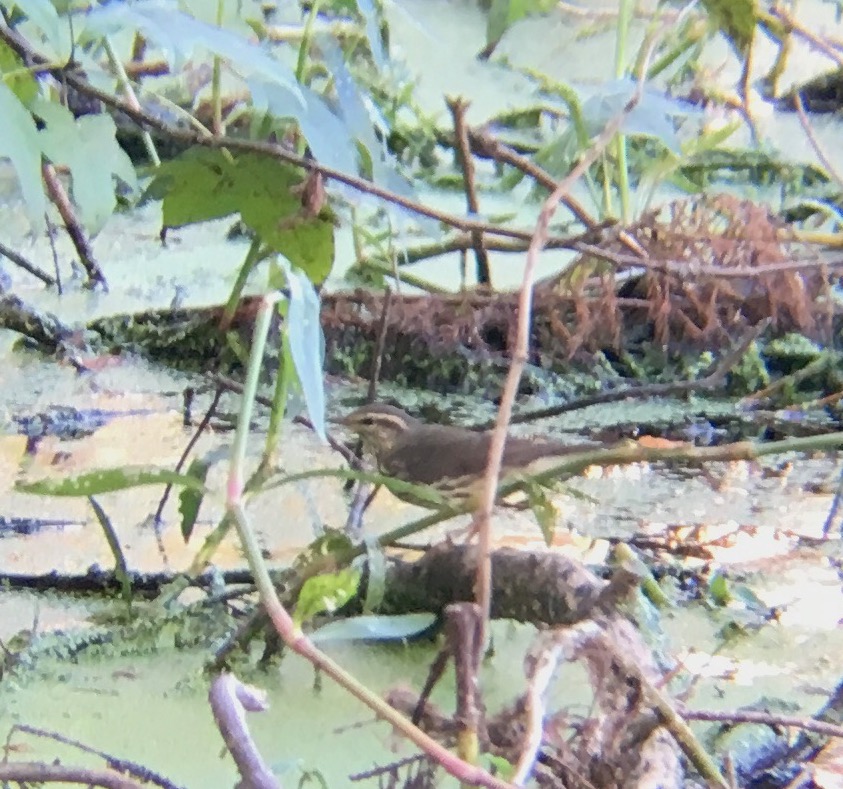
Northern Waterthrush: Late March to Mid-April

Yellow Warbler: Late-March to Mid-April 

American Redstart: April to May 

House Wren: April to May 

Scarlet Tanager: April to May 

Veery Thrush: April to May

Rose Breasted Grosbeak Late April to Late May 

Blackburnian Warbler: May to June 

Blackpoll Warbler: May to June 


04 February, 2021

Citizen Science

 Citizen Science


A group of naturewatchers in Southern Maine, Summer of 2015


Citizen Science is the practice of collecting scientific data through public participation. This area of science includes scientific research, data collection, monitoring or other activities done by members of the public including amateur scientists, students, hobbyists, and everyday citizens. Modern technology such as the internet, mobile devices, and websites that allow users to edit or add data (such as Wiki sites, or public databases like eBird.org) have made it possible for large numbers of citizens contribute to research. In the area of ecology has some of the first examples of citizen science programs including the Audubon Society's Christmas Bird Count which began in 1900. Today there are many ways that you can participate in research from your own garden or a local park, woodland, or beach. Many of these programs require just access to a computer or mobile device, and some basic knowledge of the subject. Additionally, some programs have comprehensive guides, offer training programs, and have active forums of experts and amateurs who are willing to help a newcomer. 

Citizen Science and Nature   


Your garden can serve as your own laboratory for nature studies. 


There are many citizen science programs in the areas of ecology and many of them are well-established and have global coverage. Bird and butterfly surveys are among the easiest projects to get involved in as they can be done virtually anywhere (including your own garden) and are friendly to both novices and life-long birdwatchers or butterfly watchers. There are similar survey programs for bees, mammals, wildflowers, fish, frogs, and trees although some of these require more experience and cater to a more specalized group. Some other citizen science projects may involve recording trash and debris collected from creeks (something that Cape Fear Riverwatch, Plastic Oceans, and Keep American Beautiful does), submitting water samples, or gathering meteorological data from a home weather station. The list of programs and projects is vast although I will talk mostly about programs that involve monitoring wildlife. 

Author Story 


House Wren, mistakenly listed as rare bird for NHC according to eBird in 2013 


Since I was a teenager, I have participated in Cornell Lab of Ornithology's Great Backyard Bird Count (GBBC) after hearing about it in the newspaper. Each February, I would write down what types of birds visited my bird table or garden and mail or drop off the lists at a local Audubon Chapter to be sent to Cornell University. I also gathered data from local parks and woodlands, at the school, and anywhere else I had a few minutes to watch birds. I participated in the GBBC until around 2013 when Cornell moved away from written or typed checklists (or localized list forms) to an online platform called eBird. This turned me off as I was not into technology nor did I want to give my name and lists to a website. I tried it but the website was complicated, disorganized, and  the taxonomic order and names were changed (another rabbit hole for another discussion). It also had filtering databases to flag rare or unusual species which at the time functioned regionally (resulting in a House Wren, and other species being flagged). This mess led to me moving on from the GBBC and I avoided eBird from that point onwards and kept my lists to myself or contributed by writing sighting lists from Audubon Society walks and emailing them to the chapter. 

Over the years, I had a chance to try out other survey methods including when I went to Maine in the Summer of 2015 to attend an ornithology camp. I used eBird on occasion to find reports or gather data for personal bird surveys such as my New Hanover County Bird Survey document I started in 2015, and to make localized birdlists for parks and natural areas in Wilmington. Many birdwatchers and naturalists use eBird and other sites regularly although I decided to keep my work private and had no interest in submitting my finds online. In the Autumn of 2020 that would change. 

Last autumn, I took a scientific writing and research class and a geospatial technologies class at the local university. Both classes required me to complete a small research project. The writing class was entirely dedicated to writing a research paper that could be submitted to a scientific journal or conference, and included actual data collection, literary reviews, method design, a research poster, and a presentation. I had a good background in scientific writing but learned a lot from this class and was able to conduct a study on birdlife in New Hanover County (as none of the data has been compiled for the region). The pandemic left me homebound and being next to Greenfield Lake, I walked the park several times a week and kept running lists of birds, and other wildlife. Since I was already doing a bird survey, I decided to write my paper on how urban greenspace and parks can provide habitat for birds year-round. Upon looking at other regional and global studies, I found that eBird's databases were a reliable source of data and the NHC database had sightings going back to 1950 (digitalized from archives). 

During my research project, I signed into my old GBBC account I abandoned so I can access the database for New Hanover County, print bar-charts and access metrics that gave month by month or even daily sightings for all species in the county (366 in total). This allowed me to analyze what birds were nesting at area parks or natural areas, wintering populations, rare/unusual species, and even trends in populations. In the GIS class, I did my geospatial survey on locations around Greenfield Lake where I collect bird data for personal studies and shared the ArcGIS Map on this blog and with the university. That semester and the pandemic got me back into citizen-science after stepping back in protest of modern methods. Today, I use eBird to log sightings at Greenfield to contribute to the data pool, and have run into other birdwatchers on the trail. If it was not for this database, my project and countless others would not be possible. The eBird site has bird databases by county, state, and across the world, and is one of the largest citizen science projects out there. Birders, scientists, university students and amateurs all use this site to log sightings or gather data to identify trends in population, distribution, habitat usage, and to find migration hotspots. This experience taught me that citizens play an important role in scientific research and technologies can be improved to distribute data across the world. I encourage everyone to give eBird a try or find a similar program in a topic of their interest or just take notes on what you see in the field. 

Bird Surveys 


A pair of Pintails at Greenfield Feb 2nd, 2021, an unusual find at this locale. This reported on eBird.org to provide data for scientists and birdwatchers alike


Bird surveys are among the most accessible avenues to participate in ecological studies without being a scientist or student. Any person who is interested in birds can take part and one does not need to know every bird or song to contribute. Someone who reports chickadees at a feeder, or Rock Doves in an urban park is contributing to the data pool. Today, eBird is the primary platform for sharing and analysing bird sightings, and is a project of Cornell Lab of Ornithology, just like the GBBC and Project Nestwatch. The Audubon Society also provides citizen science opportunities during the Christmas Bird Count although this survey takes place on a specific day and is usually determined by a regional branch. I encourage all birdwatchers, or anyone who watches birds in their garden to upload to eBird or participate in one of the many programs out there as your sightings matter and can help scientists develop conservation measures for birds and other wildlife. 


eBird.org: Cornell Lab of Ornithology's eBird site is a global database and platform where anyone can contribute data. This is one of the few bird databases that covers the world and offers national, regional, and local datasets in real-time. In addition to new sightings, the database also catalogues historical data and works with other ornithological organizations to compile data going back to the early 20th Century. As stated in my story, the website offers local and regional bird data in many formats, has geospatial maps showing population densities and migration routes, and allows researcher to access the data for projects. Additionally, anyone with an account can log his or her sightings and keep a life-list and add notes, comments, or digital media to the dataset. eBird's localized lists change daily based on what species are expected in an area, and now allows users to switch to a list that includes rarities if they saw something unusual or notable.  The site is integrated into Cornell's other projects and even links each bird to its respective All About Bird profile with images and side-by-side comparisons. Lastly, most localities including New Hanover County have their own sites with bird hotspots, photo galleries, maps, and a regional database manager who makes sure the data is reliable. The site is free to use and relies on donations and grants.

Great Backyard Bird Count (GBBC): The GBBC is one of the largest bird surveys in the world and unlike the Christmas Bird Count, this survey runs over a one week period in February. In the past, the GBBC relied on forms or printed lists that were sent to Cornell to be compiled and reviewed by the lab. However, since 2013 the program is now integrated into eBird and allows for the census to be conducted globally. Anyone can participate by uploading their bird sightings. Data from gardens, home birdfeeders, and local parks is encouraged as it provides insight on what species are using urban areas or gardens, and makes it accessible to casual bird lovers. This year's GBBC runs from February 12th to 15th, 2021.  

Project NestWatch: Project NestWatch is a citizen science program that specalizes in monitoring the nesting activity of birds in North America. This program is also through Cornell and is open to users once they take an online quiz. This program is a little different from the other ornithological surveys as it requires more knowledge and is more involved than just reporting sightings. NestWatch provides data that can track population trends, suitable habitat, identify shifts in breeding range, and survival rate. People can just collect data from garden birds or can go out into parks or natural areas to observe nests of birds. Anyone who monitors bluebirds, chickadees, swallows, or wrens in birdhouses can also include their data into the stream. 

Project FeederWatch: FeederWatch is a sister project of NestWatch that specalizes in collecting data from bird tables or feeders. This program has more of an emphasis on urban and suburban environments and runs from November through April. Participants record birds that they see in their gardens or at a nature center, park, or community area and submit them online. You can choose the time, days, or duration and like the GBBC it contributes to a dataset that is used by scientists and researchers. According to the website, FeederWatch will send a research kit with instructions, bird ID posters and other materials needed to conduct research. Unlike the other programs, FeederWatch has a participation fee which supports materials, staff, and ongoing research and has a number of benefits such as a magazine subscription, bird report, and a calendar. 


Programs Beyond Birds 


Red Spotted Purple, after birds, butterflies are the second easiest animal to study in citizen science. Butterfly watching can contribute to science just like birdwatching.


There are a number of citizen science programs that cover other plants and animals. While many of these programs are not as expansive or well-developed as the Cornell bird programs, there are plenty of local, regional, and international programs available. I will go over a handful of survey programs that could be done in our area and are fairly easy to participate in.

Butterflies and Moths: There are several butterfly surveys that are hosted in North America as well as some international ones. The website e-butterfly.org is similar to eBird where registered users can log sightings on a global database and the program is supported by donations and grants. Other programs such as the North American Butterfly Count are coordinated efforts that take place in designated count areas and involve a fee.

Bees, Wasps, and Pollinators: There are several pollinator counts that are organized across the world although bee, and wasp surveys are far less common. Some of them are run within states while others are cover all areas of the US and are supported by the by the Xerces Society. The Bumblebee Watch program is a good example of this.

Reptiles and Amphibians: The population of reptiles and amphibians are also being studied through citizen sciences and some government bodies. These include the  Association of Zoos and Aquariums Frogwatch USA, and a number of state or localized programs. Like birds, frogs can be identified by their calls and North Carolina has a program that lets volunteers report frog sounds although it is not like eBird and requires some commitment. According to North Carolina Wildlife Resources Commission, there are training sessions available.

Mammals: eMammal is a program that tracks mammals  and other wildlife using camera traps to capture photos of animals in public areas or on private land of participants. This program has allowed scientists and citizens to see nocturnal animals in urban and wilderness areas, observe rare or furtive animals that were thought to be extirpated, and monitor invasive or human-adapted species like Coyotes or Nutria. The program has a database of photos and data and allows individuals, educational institutions and land managers to check out cameras or use their own. There is a small setup fee for organizers. North Carolina's Candid Critters is part of this program and covers all 100 counties of North Carolina. This program has cameras available at participating libraries, and asks people to set up the system for three weeks (including in your own garden) and upload it using their software. The site even has a training course and resources for beginners. 

Independent Surveys: I strongly encourage everyone who is into gardening, or  nature to keep track of their sightings, start a nature journal. Even if it is not uploaded to a database or done in coordination with a project, the data is still valuable and can increase your understanding of nature. I routinely record what birds, mammals, reptiles, and plants I see in local parks or woodlands, sketch or draw specimens and take photographs for personal record. It may also be a good idea to take note of the surroundings such as landmarks, street names, types of trees/plant, or the time of day and season. Your drawings, writings, and photos do not have to be good to contribute to knowledge or capture a moment in nature. A rubbish sketch or blurry photo can be useful in identifying an unfamiliar species of bird, insect, or flower. Additionally you could share your information through a  blog, photo hosting service, social media, or with your family, friends, and fellow nature lovers. I will talk more about nature journaling and field notes in a future blog article. 


11 November, 2020

Garden Birds

Birds and Gardens


Often the best birding experiences are made at our doorstep


Autumn and winter are among the best times to get into birdwatching and your garden or a local park is a good place to begin. During this time of year, many species of birds are looking for consistent food sources and gather around fruit-bearing shrubs, weedy areas, flowering plants, and bird tables. Migration brings birds into our gardens and once the leaves fall and vegetation dies back, it becomes easier to look for look for hidden species. Bird tables and birdfeeders are the busiest from late October to March. This is a good place to get familiar with garden birds that live with us all year, or visit during the winter. 

What Are Garden Birds


Chickadees live in our gardens year-round and are our most frequent birdhouse users


In my definition, garden birds are any species of bird that is commonly found in residential or urban settings that can successfully carry out their lifecycle in a yard or garden. While any species of bird may visit a garden during migration, most garden birds are seen throughout the year, and are familiar  to anyone who spends a little time outside. Gardens may also host woodland, grassland, or wetland species if such habitat is nearby. For instance, neighborhoods with mature hardwood trees or a forest tract may host forest species, while homes that back up to saltmarshes might have wading birds, and sandpipers. In the end, a garden bird can be any bird that breeds, or overwinters in a residential area rather than visiting briefly during migration or as a stray. 

Some of the birds that I consider garden inhabitants include familiar species like Carolina Chickadees, Cardinals, Mockingbirds, and in the summer American Robins, as well as more overlooked species like Carolina Wrens, Blue Grey Gnatcatchers, or the Pine Warbler. Most gardens host at least 15 species of birds, while a well planted property in a wooded community might host 70 or more bird species throughout the year. 

Birdwatching at Home 


Cardinals are easily overlooked, seeing the first cardinal is an unforgettable moment


Your garden is the best place to begin birding and even before you get a birdfeeder or put up a bluebird house, you find at least a few types of birds. On a casual walk to the front lawn you may see mockingbirds, or robins feeding on a summer morning, Turkey Vultures soaring overhead, or catch a Cooper's Hawk or other sparrowhawk as he/she goes after some sparrows. Even listening to the sounds while enjoying a cup of tea or coffee on a porch can be rewarding. Before trying to learn all of the calls and songs, just listen to the chorus. You may hear whistles, chants, cawing, or even an strange noise like a squeaky hinge, or a barking dog. 

Most people know what a cardinal looks like and it is the state bird of North Carolina, Virginia, and many other states. However, I found that many people did not know they have cardinals living in their gardens until someone pointed it out or they put out a birdfeeder for the first time. That was certainly the moment that I got hooked into birdwatching when I was a teenager. That along with seeing Mallards and Wood Ducks at Greenfield Lake, and admiring photos of Painted or Indigo Buntings, Blue Jays, and all of those South Texas specialities (the Green Jay especially). After seeing the first male cardinal, you quickly learn that these birds seem to come out of the woodwork and are responsible for the loud whistling songs that heard during the spring and summer months. 

You also hear another loud chanting sound from the hedge that sounds like "Teacher Teacher Teacher" or "Tea Kettle Tea Kettle Tea Kettle". You may think a bird with such a loud voice has to be something large. Instead you see little orange bird that is just over six inches (15cm) long. Later you may find out that the same bird is nesting your mailbox or a Boston Fern hanging on your porch.  One of two of these birds also follow you as you around as you dig in the garden, rake leaves, or mow the lawn (looking for insects disturbed by gardening). That bird is a Carolina Wren and is one of the loudest birds in our area and is much more colorful than other birds it's size.  

Adult Carolina Wren

A domed nest in a greenhouse or shed is the work of a wren


Later on, you get excited about identifying dozens of bird in the area only to find it coming from that mockingbird that lives next door. Grey Catbirds also make sounds from other birds as does the Yellow Breasted Chat. While these birds and their mimickry skills bring new birdwatchers down to Earth and it can be disappointing that the beautiful Hermit Thrush song, or the sound of a Red Tailed Hawk was only a mockingbird or chat, it is amazing feat for one bird can make all of these sounds. 


Mockingbird (right) are ubiquitous in cities and villages, Red Bellied Woodpeckers (left) are the most likely woodpecker to come to your birdfeeder.


Seeing your first woodpecker is exciting and it is hard to miss the Pileated Woodpecker (i.e. Woody Woodpecker) when one lands on a tree or fallen log. While many think woodpeckers are only found in forests and wilderness areas, that this giant woodpecker and the smaller Red Bellied and Downy/Hairy Woodpeckers all live in suburbs, towns, and parks and might even stop at a birdfeeder. 
Within a few months you may be able to identify many of the garden-dwelling birds, as well as a few woodland birds, and waterbirds. I am sure most people can already recongize a Mallard, Canada Goose, or Great Blue Heron when they see one. 

You do not need to travel to a wilderness area, or go on a birding trip to identify birds. Many of our birds can be seen right from the comfort of your own home or at a city or town park. Without any improvements, your garden may already host dozens of birds . Some birds are only seen during the summer as is the case with the Yellow Throated Warblers, and Ruby Throated Hummingbird (although more hummingbirds are overwintering). Others like the handsome White Crowned and White Throated Sparrows that patronize our bird tables or clean up what the nuthatches or chickadees throw out visit during the winter after leaving their breeding grounds in the Boreal Forests of Canada. Migration brings a mixed bag of familiar faces from both seasons as well as birds heading on holiday in the tropics (including many warbler, vireo, and flycatcher species). While the spring and autumn migration cycles serve as a shift change for birds, the cardinals, wrens, chickadees, and mockingbirds aren't going anywhere nor are the woodpeckers, and bluebirds. 


Another unforgettable bird that likely lives just around the corner, Pileated Woodpecker


Where to Look


A back garden with a birdhouse for bluebirds  


Birdwatching in the garden can be an easy place to learn common species, as well as catch glimpses of migrating species. You will also get introduced to other animals such as Grey or Fox Squirrels, Green Anole lizards, Two-Spotted Bumblebees or Eastern Carpenter Bees (both docile and beneficial like the Honeybee), and several types of butterflies.  You can find birds almost anywhere although our first encounters are usually on the lawn, or at a newly placed feeder. Try looking beyond the confines of the window as you will certainly come across some interesting finds. A basic pair of binoculars can go a long way when looking for birds or trying to identify the hawk or vultures soaring in the distance. 

Feeders


A bird table in the front garden of the same house


A typical bird table setup can host anywhere from 10-30 species of birds depending on what type of food is offered and where it is located. Even feeders located near the house can bring birds into view and allow for you to observe their antics and behaviors. Cardinals or Carolina Chickadees are usually the first birds to find a new feeder, although in urban settings, House Sparrows might come within hours if they are accustomed to people. After a few visits, other birds begin to arrive with nuthatches, finches, Blue Jays, and Red Bellied Woodpeckers becoming acclimated in short order, while some fortunate or unfortunate residents might end up hosting Red Winged Blackbirds, grackles, or cowbirds, especially if they are living in the countryside or happen to be next to a feedlot, landfill, or a city park where people feed geese. Regardless of who is visiting, you can get a good look at any bird that visits a feeder. 

Look For: Chickadees, titmice, Brown Headed or White Breasted Nuthatches, Downy, or Red Bellied Woodpeckers, cardinals, Goldfinches, House Finches, Blue Jay, White Throated/Crowned Sparrows, and House Sparrows. You may also see flocks of Redwings or Common Grackles during the winter months. 

Also Look For: Indigo or Painted Bunting, Chipping Sparrow, Baltimore Oriole, Pine Warbler, Carolina Wren, Eastern Bluebird, and if nectar is served Ruby Throated or Rufous Hummingbirds. 

Trees

Oaks can bring many types of birds including Blue Jays and woodpeckers


The majority of garden birds naturally inhabit woodlands, or forest habitats. While all birds use trees at some point in their lives, there are several birds that live their lives in the canopy. These birds are often overlooked by birdfeeder watchers, and casual gardeners. Away from the feeders, chickadees, titmice, and finches perch, or feed in deciduous or coniferous trees, while woodpeckers and nuthatches forage for insects on trunks and limbs. A good number of birds also nest in trees including Summer Tanagers, Baltimore/Orchard Orioles, American Robins, and many warbler and flycatcher species. Deciduous trees have the benefit of losing their leaves in the autumn, making it easier to see who is there. Autumn and winter are a good time to learn the woodpeckers, nuthatches, corvids, and small woodland birds. We also have a few warblers that stay for the winter, giving newbies an opportunity to test the waters on identifying similar looking birds. Trees with fruits, or nuts can attract flocks of birds during the autumn and winter. Wintering American Robin, Common Starlings (not the same birds that nest in the spring/summer), and Cedar Waxwings flock to hollies and cherry laurels by the thousands, while Blue Jays, Red Headed Woodpeckers, and Common Crows gather at oaks, hickories, and beeches to stockpile nuts. The types of trees in you area can determine what birds might be nearby. 

Oaks, Beeches, and Hickories (nut trees): Blue Jay, Common Crow, Red Headed or Red Bellied Woodpecker, White Breasted Nuthatch, and various nesting songbirds. Pecan Hickory, American Beech, Live Oak, and White Oak are goldmines for nut-eating birds  

Hardwoods (other species): Essential habitat for breeding or visiting vireos, most warblers, or flycatchers, as well as Orchard Orioles, Summer Tanager, and White Breasted Nuthatch. Groves of hardwoods may host Wood Thrushes, Downy/Hairy Woodpeckers, Yellow Throated Warblers, and other deciduous forest inhabitants, even in an urban neighborhood or park.   

Pines: Almost anything, although Longleaf, Shortleaf, and Loblolly Pines are important trees for Pine Warblers, Brown Headed Nuthatches, Siskins and House Finches. White Pine in Appalachia may be used by Red Breasted Nuthatches or Red Crossbills.

Other Conifers: In our area that would be Red Cedar, White Cedar, or Common Juniper as well as a number of ornamental evergreens. Junipers and cedars loved by kinglets, chickadees, and Yellow Rumped Warblers. Also a popular nest tree for cardinals, mockingbirds, and House Finches. 

Fruit Trees (any species): Look for American Robins, Cedar Waxwings, Common Starlings or Red Winged Blackbirds/Common Grackles by the hundreds or thousands. Mulberries, Black Cherry, and other summer fruits may attract Orchard Orioles, Summer Tanagers, Mockingbirds, and Brown Thrashers. Southern Magnolias and Hackberries become inundated with Red Eyed Vireos, thrushes, Grey Catbirds, and Starlings from September to November.

Shrubs, Thickets, and Hedges 


Thrashers nest, and shelter in hedgerows and copses but come to feeders 


The majority of garden birds live in low vegetation such as dense bushes, hedges, or in coppices (thickets formed by brushcutting, tree falls, or timber harvesting). In the garden, shrubs are where cardinals, wrens, sparrows, and mockingbirds disappear after they leave the bird table, or take a break from singing. As with trees, shrubs come in different shapes, sizes, and can be deciduous or evergreen. Evergreens including Asian Azalea species, camellia, hollies, and gardenias are among the most valuable nest sites in any garden (even if it could be improved with native plants). Flowering shrubs attract warblers, flycatchers, and hummingbirds during spring migration, while fruits bring birds from late summer through winter. I would say that hedgerows, brambles, and dense clumps of shrubs away from the house are the most valuable asset in any bird friendly garden. 

Foundation Plantings: Loved by cardinals, mockingbirds, Carolina or Winter Wrens, and resting feeder birds like chickadees or titmice. Mockingbirds and cardinals often nest right next to houses, as do Song Sparrows. 

Hedges (manicured): Cardinals, House Sparrows, and wintering White Throated/Crowned Sparrows often congregate in hedges of boxwood, privet, holly, camellias, or azaleas between feeding seasons. Winter flowering camellia is a boon for Ruby Crowned or Golden Crowned Kinglets, Orange Crowned Warblers, Baltimore Orioles, and hummingbirds looking for nectar or insects. Many birds nest in hedges along property borders. 

Hedgerows and Woodlots: Hedgerows and other shrubby or woodland like borders can host as many birds as a woodlot or small park. This is where Brown Thrashers, Indigo Buntings, Field Sparrows, and Mourning Doves nest, and is also the preferred place that cardinals, other sparrows, and just about any bird imaginable feeds or shelters. Look for overlooked birds like Yellow Billed Cuckoos, White Eyed Vireo, or the Wood Thrush in a hedgerow or wooded border. 

Coppice: Copses and dense clumps of brambles and saplings are loved by thrashers, catbirds, mockingbirds, sparrows, and cardinals. This is also where Yellow Breasted Chats, Eastern Towhees, and if you are lucky to have them Bobwhites live. Copses, hedgerows, and windbreaks host more migrating warblers and other songbirds than forested areas.  

Other Locations 

A Bald Eagle, a reason to keep your eyes to the skies. 

 
Overhead: Look for soaring Turkey Vultures, Red Tailed or Shouldered Hawks, or passing crows, Peregrines and Kestrels. Also look for Barn Swallows, Tree Swallows, Purple Martins, and Chimney Swifts during the summer months. Don't forget about other flyovers like geese, swans, herons, flocks of blackbirds or starlings, and if you got  good eyes the smaller songbirds. 

Lawn: Look for Mockingbirds, Eastern Bluebirds, American Robins, Chipping Sparrows, and White Ibis on lawns, mown fields, and sporting areas. Large grassy areas may host Horned Larks, Meadowlarks, Killdeer Plovers, or sandpipers. Birds such as Song, White Crowned or Throated Sparrows, Carolina Wrens, Brown Thrashers, and Wood Thrushes (or Hermit Thrushes in winter) feed on grassy areas within reach of shrubs. 

Flowerbeds and Vegetable Gardens: A surprising number of birds use herbaceous plantings for habitat. Chickadees, House Wrens, and many of the sparrow species (esp Field, Song, White Crowed/Throated, and Savannah) prefer flowerbeds, or weeds over shrubs or mown fields. A handful of birds may also nest in flowerbeds or on the edges of lawns. Common Yellowthroat, Song/Field Sparrow, and Mourning Doves may nest on or near the ground. Flowering plants and insects bring everything from hummingbirds, to cardinals to a garden.   


Hummingbirds often visit the flowers of salvia, fuchsia, and herbiscus 


Powerlines or Poles: Mourning Doves, swallows or martins, mockingbirds, bluebirds, Eastern Kingbirds, and Eastern Phoebes often perch on powerlines. This is also where Red Tailed/Shouldered Hawks, Kestrels, and Harriers perch when they are hunting. Monk Parakeets often nest within transformers or power stations, while Red Headed Woodpeckers make nests in power poles. 

Buildings: Some birds like to shelter, or nest on or in manmade structures. Chimney Swifts nest in chimneys or shafts, Barn Swallows nest under eaves, and House Sparrows, Carolina Wrens, or Crested Flycatchers use nooks and crannies. Other birds like chickadees, titmice, House Finches, bluebirds, starlings, and even certain owls (namely Barn Owls) may nest on or in buildings. Outside of nesting, small birds like Winter Wrens, Treecreepers, or even White Throated Sparrows may find shelter in a porch or outbuilding. Stonewalls and masonry structures also provide good habitats for small birds (also the case with ancient walls and ruins in Britain and Europe).  

Water: Retention ponds, creeks, and even the sea can bring birds that are not normally in gardens into view. In the Cape Fear Region, many retention ponds become loaded with ducks, geese, cormorants, and grebes during the winter. Wading birds like herons, ibis, and storks also make visits to ponds. Other wetlands may host other surprises like one of the many chickenlike birds that are called rails or crakes, fish hunting birds like Osprey or Bald Eagles, or kingfishers, and other stuff. If nothing else, there are guaranteed to be Canada Geese, and at least a few wild or domesticated ducks to identify (especially if people come to feed the birds).  


23 September, 2020

Migration Timetables, Autumn

 Arrivals and Departures of Autumn Migration


An Autumn Wood, a good place to look for migratory birds.


Here is a listing of what birds pass through the Cape Fear Region during autumn migration. This is our busiest season for birdwatching and almost anything is possible from September through December. Check out the article on Autumn Migration to learn more. This list and  its times are based on the author's observations and applicable data from eBird.org. Since birds are highly mobile and food is a major factor in movements, timing may vary, and almost anything is possible. 

August


American Redstart 


I consider August the beginning of the Autumn bird circle as it is often the first month we begin to birds visit from other locations. Some of our summer residents such as Orchard Orioles, Purple Martins, and some of the flycatchers have already left our gardens and woodlands in July.  Others such as Indigo Buntings, Ruby Throated Hummingbirds, Grey Catbirds, and year-round residents like Brown Thrashers, cardinals, mockingbirds, and Carolina Wrens are finishing their last broods. 

Departures

  • Orchard Oriole: July 15-Aug 1st
  • Acadian Flycatcher: July 15+
  • Protonotary Warbler: July 15-Aug 1st
  • Least Terns, Common Terns and Black Skimmers leave nest colonies around Mid-August

Note:
 Many breeding residents in local woodlands, parks, and gardens will also leave once their young mature, though you may see other groups of the same birds visit the area. Examples of this include most breeding warblers and vireos, Great Crested Flycatchers, Wood Pewees, Common Grackles, and Summer Tanagers.

Arrivals

  • Mostly species from the region such as Summer Tanagers, Prairie Warblers, Common Yellowthroats, Chipping Sparrows. 
  • At the sea, Sanderlings, and other sandpipers  
  • American Redstarts may visit as soon as July (they could be expanding their nesting range eastward)


September

Broad Winged Hawk


September is the beginning of the first waves of autumn migrants in Southeastern North Carolina and is when you start to see birds from further north or inland. You will also find many familiar summer residents passing through as well as some birds that will linger on their territories well after other birds move on. Greenfield Lake, Airlie Gardens, Fort Fisher Recreation Area, and Burn't Mill Creek become busy corridors for birds. You will see a lot of different species in your gardens or at an urban park or dooryard. Tropical cyclones may blow in unusual species with cold fronts trigger waves of visitors (often on the first chilly morning in September).

Departures

  • Great Crested Flycatcher: Mid-September
  • Eastern Kingbird: Early to Mid-September
  • Mississippi Kite: September 1st-15th 
  • Purple Martins: September 15th  
  • Most Least Terns, Common Terns, and Skimmers 
Note: At this point most if not  all summer residents should be off their territories if they are not overwintering. It is likely that any bird you see from this point onwards is from another area, even if that species nested in your garden or in area forests. The Painted Bunting may be an exception as these tend to overwinter readily, as do a handful of hummingbirds and catbirds. 

Arrivals

  • Palm Warbler: Around September 15th
  • American Redstart: As early as August 
  • Yellow Warbler: Early September 
  • Common Yellowthroat (Migrant): Increases from Sept 1st 
  • Prairie Warbler (Migrants)
  • Cape May Warbler: First reported in Late September 
  • Willow, Least, Alder Flycatchers: Sept 1st onwards 
  • Broad Winged Hawk: Some birds pass through in Sept
  • American Goldfinches and Song Sparrows: Late Sempt 
  •  Cliff (or Cave), Rough-Winged Swallows, or Sand Martin "Bank Swallows"
  • Baltimore Oriole: Sept 20th or earlier  
  • Sharp Shinned Hawk (Sept or Oct)
  • Common Flicker (Sept 20th)

October

Northern Waterthrush at Greenfield Lake

October is the peak of autumn migration and is arguably the  best time to scan parks, woodlands, and  areas near wetlands for visitors. You can see almost anything from the entries above, as well as a broad range of woodland, wetland, and meadowland birds from other parts of North America. You may also see vagrant or out-of-range species like Spoonbills, Storks, Rufous Hummingbirds, Scissor-Tailed Flycatchers, or a Western Tanager. Most mornings bring new suprises although it can be a challenging task to separate a unique or unusual species amongst a flock of Redstarts, Palm Warblers or Chipping Sparrows. Shorebirds are even harder as they mostly look alike and are quiet. 

Departures

  • Last Crested Flycatchers leave by October
  • Most Wood Pewees and small flycatchers move through by Oct 15th 
  • Warbler and Vireo flocks begin to decrease from October 20th onwards 
  • At this point, most summer residents are gone 
  • All swallows except Tree Swallows move on by Oct 15th
  • Chimney Swifts are last seen in late Oct   
  • Yellow Billed Cuckoo departs in late October with stragglers into Dec
  • Green Heron: Oct 15-20th at the latest

Arrivals

  • Most warblers including Black Throated Blue, Magnolia, Cape May Warblers peak 
  • Black and White Warblers first appear 
  • Northern Waterthrush 
  • Veery, Swainson's and Grey-Cheeked Thrushes, first Hermit Thrush in Mid-Oct 
  • Warbling, Philadelphia, and Blue Headed Vireos mix in to Red Eyed Vireos 
  • House Wren (late Sept)
  • Most likely time for Rufous Hummingbird sightings
  • Yellow Rumped Warblers appear Oct 15-20 
  • First winter sparrows appear around Oct 31st 
  • Teal and Mallards are usually the first ducks to arrive 
  • Cowbirds, Starlings, Red Winged Blackbirds and Grackles return (winter pop)
  • Siskins and Goldfinches 
  • Yellow Belled Sapsucker  
  • Cedar Waxwing (often later in October)

November

Rusty Blackbirds  


By November, autumn migration is winding down and the last of the insectivorous birds are making their way through SE NC. Redstarts and Cape May Warblers give way to the ubiquitous Yellow Rumped Warbler, while vireos and thrushes leave once the magnolias and dogwoods have been stripped of their fruits. You can still see summer residents and migration into December and a few birds will stay with us all winter. This is when winter residents begin to settle in. Look for White Throated/Crowned Sparrows, or Baltimore Orioles at feeders, and scan flocks of chickadees for kinglets, Orange Crowned Warblers, or a treecreeper. 

Departures

  • Most of the summer residents and migrating songbirds have moved further south 
  • Grey Catbirds may stick around until November 30th 
  • Summer Tanagers, Gnatcatchers, Parulas, Prairie Warblers may also linger
  • Some Anhinga and Ospreys may stick around all winter

Arrivals

  • Yellow Rumped Warblers become regular after Oct 31st 
  • White Throated Sparrows 
  • White Crowned Sparrow 
  • Winter population of Chipping Sparrows (usually in large flocks)
  • Juncos 
  • Winter Wren 
  • Brown Creeper
  • Most Hermit Thrushes 
  • Eastern Phoebe 
  • Red Breasted Nuthatch during irruptions 
  • Winter seagulls, cormorants, and waterfowl

December

Purple Finch

December is the end of Autumn Migration and most of our winter residents have now settled in to area hedgerows, woodlands, and gardens. After a bit of a lull in November, bird tables become busy and winter fruits lure in flocks of birds. Wax Myrtles and Bayberries will draw Yellow Rumped Warblers by the hundreds to coastal areas or in landscaped areas containing the shrub. While migration may be over, there are still birds passing through the region including waterfowl, and wintering raptors. Keep your eye out for large flocks of Tree Swallows just before dusk, and scan for new ducks, shorebirds, and seagulls at ponds and lakes. While it is possible for very late stragglers such as cuckoos, or gnatcatchers to persist into December, almost any summer resident seen at this point will probably overwinter. Summer Tanagers, Prairie Warblers, hummingbirds, and House Wrens often linger around, especially if bird tables or plant selections sustain them. 

Departures

Nearly all migratory waves of woodland birds have moved through the area at this point. Grey Catbirds are among the last songbirds to flow through hedgerows and woodlands. Anything seen after December will probably be here for the winter. Don't be surprised to find late stragglers like the birds listed directly below.

  • Blue Grey Gnatcatcher 
  • Northern Parula or Yellow Throated Warbler
  • Wilson's Warbler 
  • Black and White Warbler
  • Prairie Warbler 
  • House Wren 
  • Cliff or Cave Swallow 
  • Anhinga, Osprey, or Green Heron 
  • Summer Tanager
  • Yellow Billed Cuckoo

Arrivals

  • Large groups of Turkey Vultures often pass through in November and December 
  • Most ducks, geese, swans, and gulls do not arrive until December 
  • Harriers, Short Eared Owls, SawHet Owl (if you can find them)
  • Winter populations of American Robin 
  • Rusty Blackbird 
  • Fox Sparrow
  • Purple Finch 
  • Evening Grosbeaks, Crossbills and other rare surprises 

26 August, 2020

Preparing for Autumn Migration

 Autumn Migration 


An autumn wood, November is the month that leaves change in the Cape Fear Region


Autumn is a very active season for birds and can be one of the best times to get into birdwatching. This is the time of year to put out a bird table for the first time as many birds will be looking for additional food sources for the winter. I also got into birdwatching during the late summer or early autumn. This season brings resident and migratory birds close to our gardens, and homes and is among the best times to find rare or unusual species. In the Cape Fear Region, Autumn Migration is the peak season for birding. You have songbirds from as far north as the Boreal Belt passing through our area. Many stray or wandering species from places as far as the tropics or Western North America end up in our area due to cold fronts and tropical cyclones.  Lastly, this beginning of the birdfeeding season as most of our birds come to feeders during the autumn and winter when natural food sources are less abundant. I made a list of approximate arrival and departure times for birds in our area during the Autumn Season. Autumn Timetables

Migration in the Carolinas 


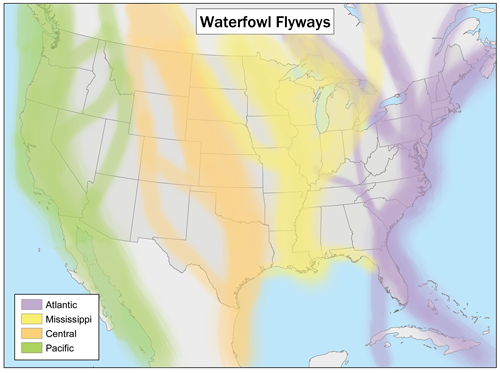
Map of Flyways, courtesy of the U.S. Fish and Wildlife Service 


Bird migration is a complex subject that is still a mystery to many people. Ornithologist and other scientists are still studying and tracking bird movements in the Americas, Europe and Asia and even with GIS data, modern tracking devices, and radar data, most migrations are still poorly understood. Birds migrate to travel between breeding and wintering territories. Competition with other species, food availability, climate, and nesting habitats are just some of the factors that determine a bird's success in a given environment. Summer residents such as vireos, warblers, and flycatchers generally arrive in North America between February and May and will begin their return trip after July or August. Winter birds that come from further north arrive between October and December and remain with us until spring. Migration may be triggered by natural instinct, weather patterns, or perhaps resource availability. However, it is important to note that not all birds migrate and many individuals or populations of a migratory species (like an American Robin) may choose to stay on their breeding territory. Migration patterns may also change with weather patterns, local food abundances and human impacts such as birdfeeding, planting of fruit bearing shrubs, or the fact that  cities are slightly warmer than the surrounding countryside. There is still much to be learned about migration and it seems possible that migration is not a "hardcoded" behavior but is triggered by other factors. 

Flyways: Most birds migrate along corridors called flyways. Flyways are used by ornithologists and other researchers to determine which routes do birds take to reach their breeding or wintering range. The Carolinas is located within the Atlantic Flyway which is one of the busier corridors in North America. The adjacent Mississippi Flyway is one of the busiest corridors for waterfowl. Flyways are mostly used to map waterfowl, crane, or shorebird migrations, although they can also be applied to birds of prey, passerines (aka songbirds), and other birds. In the Carolinas, there are two major routes that migrating birds take. The westerly track brings birds through the Appalachian Corridor in Western NC and SC, while the eastern track brings birds along the seacoast. Most of our songbirds migrate northward along the Appalachian Corridor in the spring, and fly along the coast during their southward journey in autumn. Keep in mind that birds will pass through all regions during migration. The Appalachian and Coastal tracks are the most heavily travelled corridors and host the most species diversity. 

Songbird routes in our area
  • In the spring, many songbirds pass through the Appalachian Corridor rather than the coast or piedmont. This means you will see more birds in the mountains from March to May 
  • In the autumn most southbound migrants hug the seacoast although there is a good amount of movement in Appalachia and the Piedmont region. You will see the most birds from the Outer Banks to Charleston or just inland.

Differences between spring and autumn migration   


Black Throated Blue Warbler 


During spring migration, most songbirds are trying to get to their nesting territories as quickly as possible and are often in breeding condition. This means that a passing songbird will not linger in a given area for more than a few days, and you are less to see the birds once the trees leaf out. However, male songbird will sing while migrating, so keep an eye out for unusual songs. In the Cape Fear Region, spring migration is quite limited as most songbirds and even hawks fly along the Appalachian Corridor. You will mainly see breeding species that occur in our area, departing wintering birds, and perhaps widespread passage species like Rose Breasted Grosbeaks or Scarlet Tanagers. 

In the autumn, birds migrate at more of a leisurely pace and juveniles are more likely to wander out of range. Additionally, songbirds will often remain in a given area for days or weeks at a time, gather around abundant food sources like fruit bearing trees, seed bearing plants, or your flower garden. During this time, birds are often easy to find, tame, and are closer to the ground. However, the trade off is that most migrants are quiet, and many of our songbirds lose their breeding plumages making them harder to identify. Autumn is a busy season for the Cape Fear Region and you will see birds from the Northern US, Eastern Canada and even the Midwest that do not nest or winter in the Carolinas. This is also the most likely time for unusual or rare visitors to turn up in our area. 

Watching Birds in the Autumn


Black and White Warbler


Autumn birding is a rewarding experience and is one of the best times to try out the hobby of birdwatching for the first time. First off, there are more birds to see in your garden or at a local woodland or park. Secondly, birds are a little easier to find as they are more approachable, attracted to stationary food sources like fruit bearing shrubs, and will often try out birdfeeding stations. Later in the autumn, trees will lose their leaves and vegetation will die down, making it easier to see birds such as finches, woodpeckers, and warblers. If you put out a bird table or another birdfeeder from late summer to mid-autumn, it will be discovered by cardinals, chickadees, or finches in a short amount of time (often just days in my experience). With the exception of the unprecedented events of 2020, most birding organizations, nature clubs, and even local parks will host bird walks or birdwatching classes during the autumn. This is one of the best seasons to get into birds as you will have the entire winter to study field guides, learn resident garden species, and learn spotting techniques before the next breeding season. 


Basic Pointers  
  • Many visiting and resident songbirds as well as birds of prey will visit gardens, parks, and local woodlands during the autumn 
  • Fruit bearing trees, shrubs, and vines such as magnolias, dogwoods, pokeweed, Virginia Creeper, and Wax Myrtle brings flocks of songbirds such as vireos, thrushes, and other species 
  • Warblers, wrens, sparrows, and buntings often feed or shelter in flowerbeds, weedy areas, or hedgerows, often at or below eye-level 
  • While trees do not lose their leaves in the Cape Fear Region until November or December, it is still easy to find canopy dwelling birds like tanagers, warblers, or flycatchers as they are often in isolated trees  
  • Songbird migrants often remain in an area for days or weeks at a time 
  • Cold fronts often bring in waves of birds, so scan your garden or a woodland after a weather system leaves the area for new species. Hurricanes will often blow in birds from further south. 
  • Focus mainly on the broad profiles of birds. Start out by distinguishing the shapes of warblers, vireos, flycatchers, and other groups before worrying about the exact species 
  • If you are new, focus mostly on high-profile birds like our resident cardinals, chickadees, woodpeckers, or Carolina Wrens, and take note of any bird that does not fit the profile. 
  • Your bird table, flower garden, or a community park is a good place to start 
  • Most songbirds migrate during the nighttime hours, so scan treetops about  an hour or two after sunrise to see if anything new came in. 

What to look for 
  • Keep your eye out for groups of birds in trees, shrubs, or in any location near water 
  • Along the immediate coast or near a large lake or river, birds tend to accumulate near the water's edge or in nearby vegetation 
  • Scan the skies for flyovers such as hawks, eagles, falcons, or vultures as they migrate during the daytime 
  • Fruit bearing trees, or wildflowers and grasses with seed heads, as these attract songbirds in large numbers. I find magnolias, dogwoods, crabapples, black gums, spicebushes, and hackberries to be the best trees to find migrating birds in 
  • At your bird feeder, look for warblers, buntings, finches, and sparrows amongst your regular visitors. After October, you should begin to see winter residents such as goldfinches, siskins, White Throated Sparrows, and Yellow Rumped Warblers in your garden. 
  • On lakes, rivers, and ponds, most ducks, geese and cormorants, (except resident Canada Geese or Wood Ducks) arrive in November or December, while resident herons, egrets, and ibis form roosts near lakes (such as Greenfield Lake) from September onwards. 

Attracting Birds 


Pine Warbler at our window feeder


Autumn is the best time to plan your bird habitat or expand your birdfeeding setup. Aside from the increased bird activity, the cooler temperatures make it easier to work on the garden, and establish new trees and shrubs (which is almost impossible during our sweltering summers). This is also the time to install or relocate nesting boxes, as the birds will have all winter to investigate them before nesting season arrives. Birds such as bluebirds, chickadees, nuthatches, and woodpeckers will look for potential nest sites in the autumn or early winter. As stated above, birdfeeders and tables are more likely to draw visitors from late September to November with chickadees, titmice, or cardinals finding new setups within a week. Here are some general things you can do in your garden during the final month of summer and through the autumn

Garden Checklist


Narrow-Leaf Sunflowers are wildflowers that produce abundant seeds 

  • This a good time to thoroughly clean bird tables, feeders, and baths. Take all feeders and scrub or soak them with a mild soap solution and consider repairing or replacing damaged or worn feeders. Same goes for birdbaths 
  • Since nesting is most likely finished, this is the time to clean out your birdhouses and make any needed repair. Be advised that some birdhouses may have been occupied by paper wasps or bumblebees. Leave these boxes until the frost (do not spray the wasps or bees) 
  • Begin planning your bird garden and try to plant any new trees, shrubs, or vines between October and March to allow them time to establish their roots before the next summer 
  • It is also a great time to remove any unwanted or invasive plants like privet, buckthorn, tallow "popcorn" tree, or wisteria as there is little chance of accidentally disrupting a nest. 
  • If you have a flowerbed or meadow, leave some seedheads for arriving goldfinches, siskins, or any Indigo or Painted Buntings that are still migrating through the area 
  • If you have hummingbird feeders, leave them up as  Ruby Throated Hummingbirds persist well into November (with some overwintering), while the Rufous Hummingbird often visits the Carolinas during the autumn 
  • Experiment with new food types such as fruits, grape jelly, suet, mealworms, or seedcakes as birdfeeder activity increases 

Birdwatching Spots

The Greater Wilmington Area is almost an ideal location for autumn birdwatching. Dozens of songbird species pass through the city and its suburbs each season, while the list of unusual or increasing "out-of-range" visitors on eBird.org is growing. Wilmington's abundant tree canopy, lush gardens, and established hedges provide habitat in virtually every area of the city. The 50+ parks in the city, plus all of the nature preserves, gamelands, and other public natural areas in New Hanover, Pender, Brunswick, Columbus County NC and Hoary County SC provide access to all kinds of habitats. Everything from saltmarshes and coastal dune prairies to mature hardwood forest is within a short drive from the city. Some of the best places to find migratory birds are areas along the immediate coast, the Cape Fear River, major creek corridors such as Bradley or Burnt Mill Creek, and of course Fort Fisher in Southern New Hanover County. These areas include wetlands, grasslands, forests, and even landscaped areas and serve as  "bird funnels" during migration season. Below are some of the locations I recommend for birdwatching excursions in the absence of organized field trips and walks.  

1. Greenfield Lake Park

Greenfield Lake Park: Greenfield Lake is the crown jewel of birdwatching in the Cape Fear Region and is among the most active places during autumn migration. This park contains a large millpond that dates back to the 1700s that is surrounded by Baldcypress, sweetgum, tupelo, and other wetland trees as well as plantings of azaleas, dogwoods, and camellias. Greenfield Lake is located right in the center of the city but is by far the most "wild" areas in the city limits. While alligators, herons, and the occasional eagle or osprey are the main highlights, the park is loaded with songbirds and raptors all year long. During the autumn, Greenfield is a catchment for migrating warblers, vireos, thrushes, sparrows, and flycatchers, and has been the location of many unusual sightings. The Greenfield Lake Amphitheatre, and Wooden Bridge, are particularly active with songbirds, while waterfowl arrive on the lake itself from late October onwards. The park is easily accessible, has facilities, and is good to visit during the daytime hours. 

2. Fort Fisher and Federal Point


Fort Fisher and Federal Point: Fort Fisher is a good example of a "bird funnel" as you can see dozens of bird species within this narrow strip of maritime scrub, and grassland. Federal Point is located at the very tip of Pleasure Island, just beyond the Aquarium and is bordered by the Cape Fear River to the west, the Atlantic Ocean to the east, and various inlets to the south. The "New Hanover Peninsula" actually continues all the way to Bald Head Island. However, the sweet spot for birding is the clumps of shrubs between the Fort Fisher Civil War battlefield to the parking lot at end of the island. On a October or November morning you can see hundreds of birds dropping into the shrubs after a long night of flying. The Fort Fisher Basin Trail (behind the Aquarium) is also a good spot with views of forests, shrubland, marsh, and meadows. The beach itself may host shorebirds or allow glimpses of sea ducks and cormorants flying along the coast. Along with Greenfield Lake this is personally one of my favorite birding spots in New Hanover County. 

3. Northern Section of Burnt Mill Creek 

Burnt Mill Creek and Wallace Park: The Burnt Mill Creek is a major watercourse that runs through New Hanover County and runs through residential areas near downtown. The creek as a long greenway that extends at least 1.6km (1 mile) and starts at Wallace Park (on Market Street across from a shopping center) and runs all the way to MLK Parkway. You will have to cross a few major streets to walk the corridor in its entirety and there are no marked trails, although the grassy area along the creek is generally mowed. Like Greenfield Lake, the creek corridor is a bird magnet and you will see everything from woodland birds to waterbirds along the greenway. The open grassy corridor also makes it easy to see birds as they fly overhead or forage in the shrubs, trees, or meadow areas. Some highlights include large numbers of warblers, vireos, wrens, and sparrows, herons, woodcocks, birds of prey, and even a Wood Duck or two. The corridor might also yield glimpses of Wild Turkey or White Tailed Deer, which is also a good reminder to be aware of other large wildlife that may visit or live in the adjacent woodlands. The Oakdale, Pine Forest, and Bellview Cemeteries are also good birdwatching areas long the creek that are open to visitors during the posted hours at the gates.    

4. Airlie Gardens and Oak


Airlie Gardens: Airlie Gardens is a public garden that is managed by New Hanover County and is another hotspot for birdwatching. You will have to pay an admission fee to visit the park, and as with all public facilities, please check the hours and operational protocols before visiting. Airlie Gardens consists of 67 acres of managed gardens, woodlands, and azalea borders that sit along Bradley Creek. This property has old-growth hardwoods including a nearly 500 year-old Live Oak, several ponds, and patches of forests. Like at Greenfield Lake, you will see a wide variety of birds throughout the year, and autumn migration is one of the best times to visit. You will see many warblers, vireos, and other songbirds as well as wading birds (including Night Herons), osprey, eagles, and after October, various ducks and geese. The overlook over the creek offers views of saltmarsh and brackish wetlands that may yield an opportunity to see a Seaside Sparrow, Clapper Rail, or a Harrier. 

5. ILM Observation Deck

Wilmington International Airport Observation Deck: This last destination is not a birding hotspot like the locations above, but was included for the unique opportunity to see grassland birds. Wilmington International Airport has a public observation deck located near the ATC control tower. This area is a public park that includes sitting areas, a pavilion, parking lots,  and some informational signage about aviation history. You can access this area from North Kerr Avenue but it may be a good idea to use a mapping service (i.e. Google Maps) to find it. While planespotters (like myself) enjoy this area for its views of the runways, taxiways, and apron, the park also offers rare birding opportunities. The airport has the best example of shortgrass habitat in our area and is one of the few places you can reliably see or hear Horned Larks, Eastern Meadowlarks, and Grasshopper Sparrows and other prairie birds during the summer. During migration keep your eyes and ears out for Upland Sandpipers, mixed flocks of blackbirds, meadowlarks, pipits, various sparrows (including rarities like Lark Sparrows or Clay Colored Sparrows), and all three of our falcons (Peregrine, Merlin and Kestrel). In the winter, you may be able to glimpse a Short Eared Owl or Harrier over the airfield. More common sightings include Wild Turkey, flocks of White Ibis or Cattle Egrets, mixed flocks of swallows, and passing birds of prey. 

Conclusion 


I hope that this guide to autumn birdwatching will help new and experienced birders to enjoy the birds that pass through our region each autumn. Additionally, the information provided for gardeners and landowners should serve as a foundation for improving gardens for local birds and wildlife.  Autumn is a fun time for wildlife enthusiasts alike and even as the growing season winds down, it is never too late to plan your next garden or find new ways to attract birds. I plan on adding additional content about autumn migration in subsequent articles or perhaps a standalone page including a simple list of our most common autumn visitors.  Thank you for reading and I will see you in next week's edition.